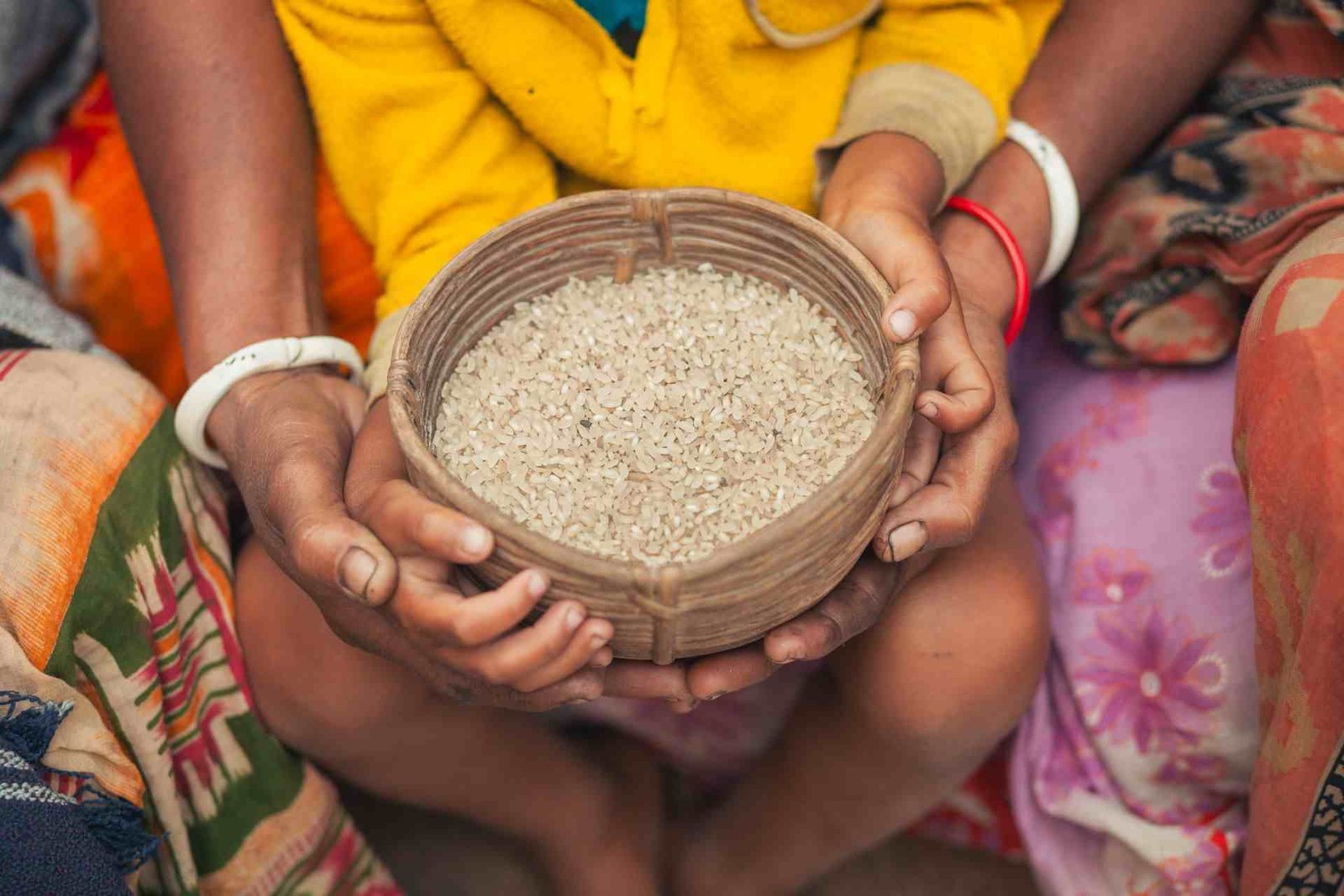
Food insecurity is often treated as a problem of food supply. Produce more food, improve distribution, get supplies into the market. All of that matters, obviously. But there’s another side to it. What happens when food is available, but a family can’t afford to buy enough of it? That’s where things get difficult. A household might still buy flour, rice and cooking oil every week. But the fresh vegetables become less frequent. Meat gets cut from the shopping list. Some days, cheaper food has to do, simply because there isn’t enough money left. And this isn’t always a sudden change. Sometimes it happens gradually, over several months, as prices keep rising and wages stay where they are.
When the Grocery Budget Stops Stretching
For families on low incomes, food competes with almost every other household expense. Rent, electricity, transport, school fees. These bills don’t wait for grocery prices to come down. So people adjust where they can. Families start buying less, or switch to cheaper foods to make their money last. There may still be food at home, but not always enough variety to eat well.
As the World Food Programme explains, having food in the market doesn’t mean everyone can afford it. That’s an important difference. Looking at food production figures alone won’t tell the whole story. For a household relying on daily wages, even planning next week’s groceries can be difficult. If work is irregular, there’s no guarantee that the money coming in will cover what food costs by the end of the week.
The Problem Starts Long Before Food Reaches the Market
Food prices are affected by a lot more than what happens in shops. Take a poor harvest. Drought can reduce crop yields, while flooding may damage farmland and roads. Farmers lose produce, transport becomes harder, and supplies reaching local markets can fall. Then there are the costs of growing food in the first place. Seeds, fertiliser, fuel and irrigation all cost money. When these become more expensive, farmers have to absorb those costs or pass some of them along.
Conflict creates a different set of problems. Farms can be abandoned, supply routes disrupted and families forced to leave their homes. Even when food is available elsewhere, getting it to the people who need it isn’t always quite simple.
What Does This Actually Mean for Families?
The consequences are typically evident in daily choices. Filling meals may be more important to parents than healthy food options. Buying of fresh food becomes infrequent. Children may consume enough food to feel satisfied, but they may not receive the variety of nutrients required for normal development. Adults’ health and capacity to work might be impacted by inadequate nutrition. It may have an impact on kids’ growth and focus in class.
And there’s a difficult part here. These problems aren’t always obvious from the outside. A family may not be skipping every meal, but its diet might have become considerably worse over the past six months. That’s why the number of food parcels distributed doesn’t tell the entire story. What goes into those parcels matters. So does whether the food reaches households on time and meets their actual needs.
Where Community Support Comes In
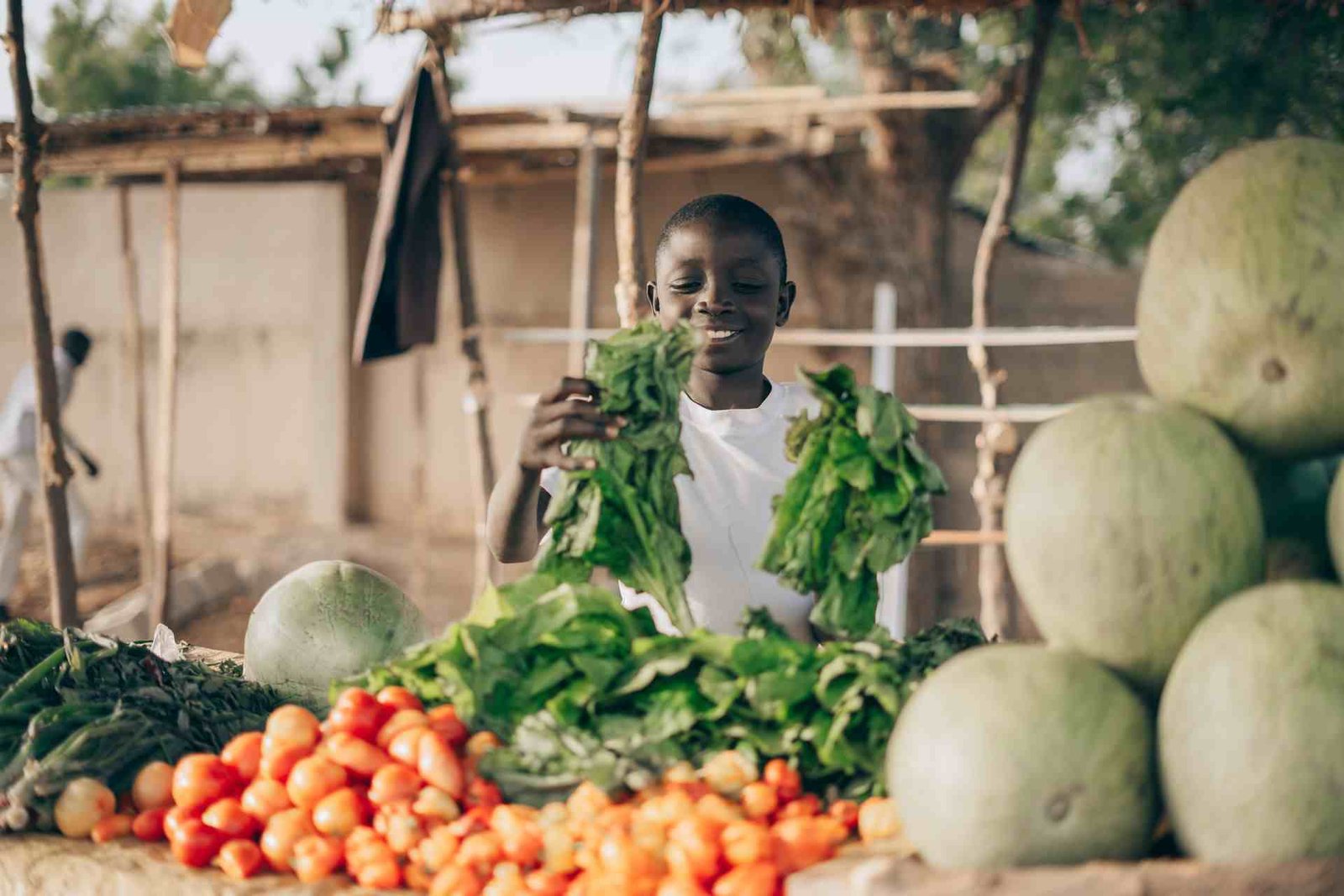
When families can’t afford enough food, local charities can help with food parcels, cooked meals and basic supplies. Seasonal donations can make a difference, too. With Ramadan 2027 approaching, it’s a chance for people to look at ways to support families in need.
But the need doesn’t stop after Ramadan. Families dealing with job losses or rising grocery bills may still need help months later.
And Then There’s the Food Being Wasted
There’s something else worth looking at. Edible food gets discarded by households, retailers and restaurants while other families struggle to afford groceries. Some of that waste comes down to poor stock management. Food is thrown wasted because there’s no standard process for redistributing it, businesses order more than they can sell, or items are getting close to their expiration dates.
A few useful adjustments can be beneficial. Retailers can detect excess products sooner and improve stock rotation. Restaurants can organise collections by collaborating with nearby charities. Food firms can set up clear protocols for securely inspecting, storing, and shipping donations. All of this requires coordination.
The Bigger Issue Isn’t Going Away
Food insecurity doesn’t have one cause, so it won’t have one solution either. Farmers need better ways to manage climate risks. Food supply chains need to cope with disruption. Governments need to address affordability, and community organisations need enough resources to support households when things go wrong. These are connected problems, even if they’re often dealt with separately.
Ultimately, having enough food in the market is only part of the picture. Families also need enough money to buy it, access to nutritious options and some degree of financial stability. Otherwise, every rise in food prices becomes another difficult decision about what can be cut from the household budget. And for families already cutting back, there may not be much left to give up.